
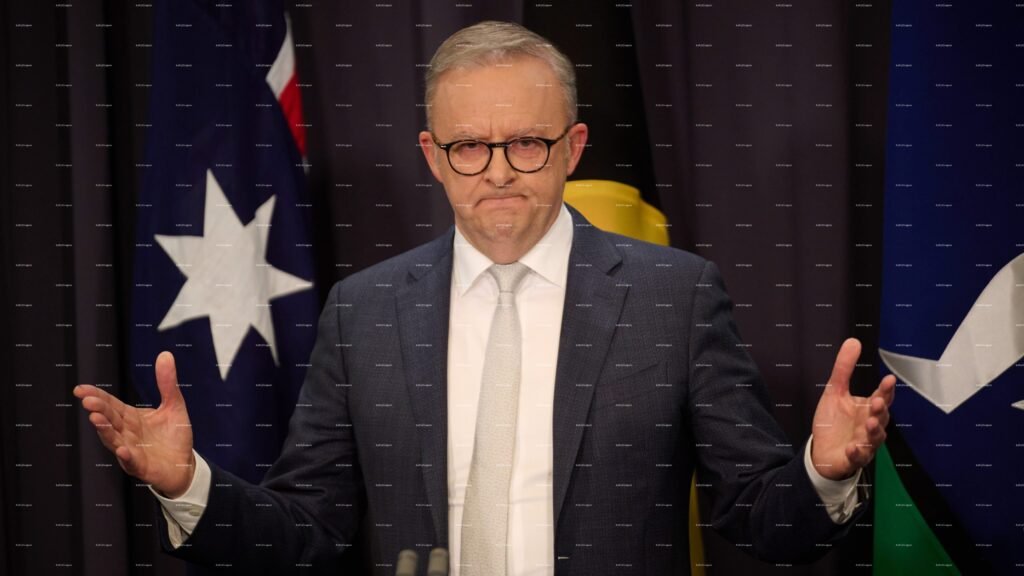
This week, Australia marked a significant milestone by becoming the first nation to implement a comprehensive ban on social media usage for individuals under the age of 16. This bold initiative aims to protect young users from the potential dangers associated with platforms such as Facebook, Instagram, and TikTok, which have come under scrutiny for their impact on mental health and wellbeing. The decision has sparked a lively debate across the globe, raising questions about its effectiveness and the feasibility of enforcement.
The Rationale Behind the Ban
Australia’s government has expressed growing concern over the well-documented risks that social media can pose to children and teenagers. Studies have shown that excessive use of these platforms is linked to various mental health issues, including anxiety, depression, and low self-esteem. Furthermore, the exposure to cyberbullying, inappropriate content, and online predators has heightened calls for regulatory action. As a result, the Australian government believes that restricting access to social media for younger users is a necessary step towards safeguarding their health and ensuring a safer online environment.
The Debate on Effectiveness and Enforcement
Despite the well-intentioned nature of the ban, critics have raised concerns about its potential effectiveness. Skeptics argue that simply imposing age restrictions may not significantly alter the patterns of social media use among children. Many young users may find ways to circumvent these limitations, such as using fake birth dates or accessing platforms through older family members’ accounts. Additionally, enforcement of such a ban poses a logistical challenge, as it would require robust monitoring mechanisms from both the government and the social media companies themselves.
Reactions from Technology Companies and Advocacy Groups
The response from technology companies has been one of resistance. Major social media platforms have pushed back against the ban, citing concerns over user privacy and freedom of expression. They argue that rather than imposing blanket restrictions, a more effective approach would involve enhancing parental controls and providing educational resources to help families navigate social media responsibly.
On the other hand, privacy and rights advocacy groups have raised alarms about the potential unintended consequences of such a prohibition. They caution that a broad ban may inadvertently drive children towards less regulated and potentially more dangerous corners of the internet. These groups advocate for a balanced approach that includes education, awareness, and parental guidance rather than outright prohibitions.
Countries Considering Similar Measures
In the wake of Australia’s decision, several other nations are contemplating similar restrictions on social media usage for minors. Here are some of the countries that are actively exploring this issue:
Denmark: Pioneering Policy in Europe
Denmark is poised to become the first country within the European Union to follow in Australia’s footsteps. The Danish government recently unveiled a proposal to establish a national age limit prohibiting anyone under the age of 15 from accessing social media platforms. This initiative reflects a growing recognition of the need to protect children in the digital space, and it underscores Denmark’s commitment to child welfare. The proposed legislation is currently under discussion, and if enacted, it could serve as a model for other European nations grappling with similar challenges.
New Zealand: Collaborative Efforts on Youth Social Media Use
New Zealand has expressed interest in exploring the implications of Australia’s ban. The government has announced plans to engage in discussions with Australian officials to better understand the outcomes of the new policy and to develop its own regulations aimed at limiting minors’ social media usage. New Zealand’s approach may involve a more nuanced strategy that balances the need for safety with considerations for freedom of expression and digital literacy among youth.
Malaysia: Evaluating Social Media Impact
In Southeast Asia, Malaysia is also evaluating its social media landscape with an eye toward potential restrictions for young users. The Malaysian government has been increasingly concerned about the effects of social media on children, particularly in terms of mental health and exposure to harmful content. As part of a broader initiative to promote digital well-being, the government may consider implementing age restrictions, although specific details and timelines have yet to be announced.
European Union: A Collective Approach
The European Union is closely monitoring Australia’s initiative, viewing it as part of a larger conversation about internet safety for children. EU lawmakers have been deliberating on policies that address the digital environment, and there is a growing consensus regarding the need for stricter regulations surrounding minors’ access to social media. The EU’s approach may involve harmonizing regulations across member states to create a unified framework for protecting children online.
Britain: Striking a Balance
In the United Kingdom, discussions around social media regulations for minors have gained momentum in recent months. The British government is considering a range of measures aimed at addressing online harms, including potential age restrictions on social media use. However, officials have emphasized the importance of finding a balance that does not infringe upon personal freedoms. As part of its efforts, the UK is also focusing on enhancing educational resources for parents and children to foster responsible social media use.
China: A Different Approach
China has already implemented stringent regulations on social media usage for minors, setting a precedent that differs from the approaches being contemplated by Western nations. The Chinese government has imposed strict time limits on online gaming and social media usage for individuals under the age of 18, reflecting a commitment to managing youth engagement with digital platforms. While the motivations behind these regulations may differ, China’s model serves as a stark contrast to the discussions taking place in other countries.
The United States: A Diverse Landscape
In the United States, the conversation surrounding social media restrictions for children is multifaceted and contentious. While some lawmakers advocate for stricter regulations, others emphasize the need for parental involvement and education rather than government intervention. The debate is further complicated by the diverse opinions of stakeholders, including parents, educators, and technology companies, all of whom have vested interests in shaping the future of social media use among youth.
Conclusion: The Future of Social Media Regulations for Minors
As the conversation around social media regulations for minors continues to evolve, it is clear that Australia’s pioneering ban has ignited a global dialogue on how to best protect children in the digital age. While various countries are considering their own approaches, the challenge remains to create policies that effectively safeguard youth while also respecting individual freedoms and promoting responsible digital engagement. The coming months will likely reveal how governments navigate this complex landscape and whether they can strike an effective balance that prioritizes the well-being of children without stifling innovation and personal expression.