
Introduction
In today’s digital landscape, the proliferation of technology has brought about numerous advantages for businesses, including enhanced connectivity, efficiency, and the ability to reach a global audience. However, this digital transformation has also given rise to a plethora of cyber threats that pose significant risks to organizations of all sizes. Understanding the impact of these cyber threats is crucial for modern businesses, as the consequences of a security breach can be devastating. From financial losses to reputational damage, the stakes have never been higher. This blog post aims to explore the various dimensions of cyber threats, their implications for business operations, and the essential measures organizations can take to safeguard their assets and data.
The Evolution of Cyber Threats
Rise of Sophisticated Cyber Attacks
Cyber threats have evolved significantly over the years, becoming more sophisticated and targeted. Cybercriminals now employ advanced techniques, making it increasingly difficult for traditional security measures to keep pace.
- Phishing Attacks: Deceptive emails designed to trick employees into revealing sensitive information.
- Ransomware: Malicious software that encrypts data and demands payment for its release.
- Advanced Persistent Threats (APTs): Prolonged and targeted cyberattacks aimed at stealing information over time.
Key Points
- Cyber threats are evolving rapidly, necessitating constant vigilance and adaptation from businesses.
- Understanding the tactics used by cybercriminals is essential for developing effective defense strategies.
Targeted Strategies by Cybercriminals
Cybercriminals are increasingly using tailored strategies to breach organizational defenses. These strategies often involve extensive research on the target organization.
| Attack Type | Description |
|---|---|
| Spear Phishing | Targeted phishing attempts aimed at specific individuals or organizations. |
| Social Engineering | Manipulating individuals into divulging confidential information. |
“As cyber threats become more sophisticated, organizations must adapt their security strategies to stay one step ahead.”
Effects on Business Operations
Financial Losses and Reputational Damage
The repercussions of a cyber attack can be severe, affecting both the financial standing and reputation of a business.
- Direct Financial Loss: Costs associated with remediation, legal fees, and potential fines.
- Loss of Customer Trust: Customers may lose confidence in a brand following a breach.
- Long-term Financial Impact: Ongoing losses due to reduced sales and increased security measures.
Case Study: Notable Breaches
The following table illustrates some notable cyber breaches and their financial impacts on companies:
| Company | Breach Year | Estimated Cost |
|---|---|---|
| Equifax | 2017 | $4 Billion |
| Yahoo | 2013 | $3 Billion |
Disruption of Critical Services
Cyber attacks can lead to significant disruptions in services that are critical to business operations.
- Downtime: Extended outages can halt business activities and impact revenue.
- Data Loss: Important data may be lost or compromised during an attack.
- Impact on Supply Chains: Disruptions can affect not just the business, but also partners and customers.
Importance of Cybersecurity Measures
Implementing Robust Security Protocols
Establishing strong cybersecurity measures is vital for protecting a business from cyber threats.
- Firewalls: Essential for blocking unauthorized access to networks.
- Encryption: Protects sensitive data by encoding it, making it unreadable without a key.
- Access Controls: Ensures that only authorized personnel have access to sensitive information.
Best Practices for Cybersecurity
Organizations should adopt the following best practices:
| Best Practice | Description |
|---|---|
| Regular Software Updates | Ensuring all software is up to date to patch vulnerabilities. |
| Multi-Factor Authentication | Enhances security by requiring multiple forms of verification. |
Training Employees on Cyber Awareness
Employee training is a critical component of any cybersecurity strategy.
- Recognizing Phishing Attacks: Educating staff on identifying suspicious emails.
- Safe Internet Practices: Encouraging secure browsing habits and downloading protocols.
- Incident Reporting: Training employees on how to report security incidents promptly.
Regulatory Compliance and Data Protection
Navigating Legal Obligations
Businesses must navigate a complex landscape of regulations designed to protect data.
- GDPR Compliance: Understanding the requirements set forth by the General Data Protection Regulation.
- Industry-Specific Regulations: Adhering to standards relevant to specific sectors, such as HIPAA for healthcare.
- Data Breach Notification Laws: Obligations to inform affected parties in the event of a breach.
Compliance Strategies
Effective strategies for ensuring compliance include:
| Strategy | Description |
|---|---|
| Regular Audits | Conducting audits to ensure compliance with regulations. |
| Data Protection Officers | Appointing dedicated personnel to oversee compliance efforts. |
Ensuring Data Privacy
Protecting sensitive data is paramount in the face of cyber threats.
- Data Minimization: Collecting only the data necessary for business processes.
- Data Encryption: Encrypting data at rest and in transit to protect against unauthorized access.
- Access Controls: Implementing strict access controls to limit data access to authorized users only.
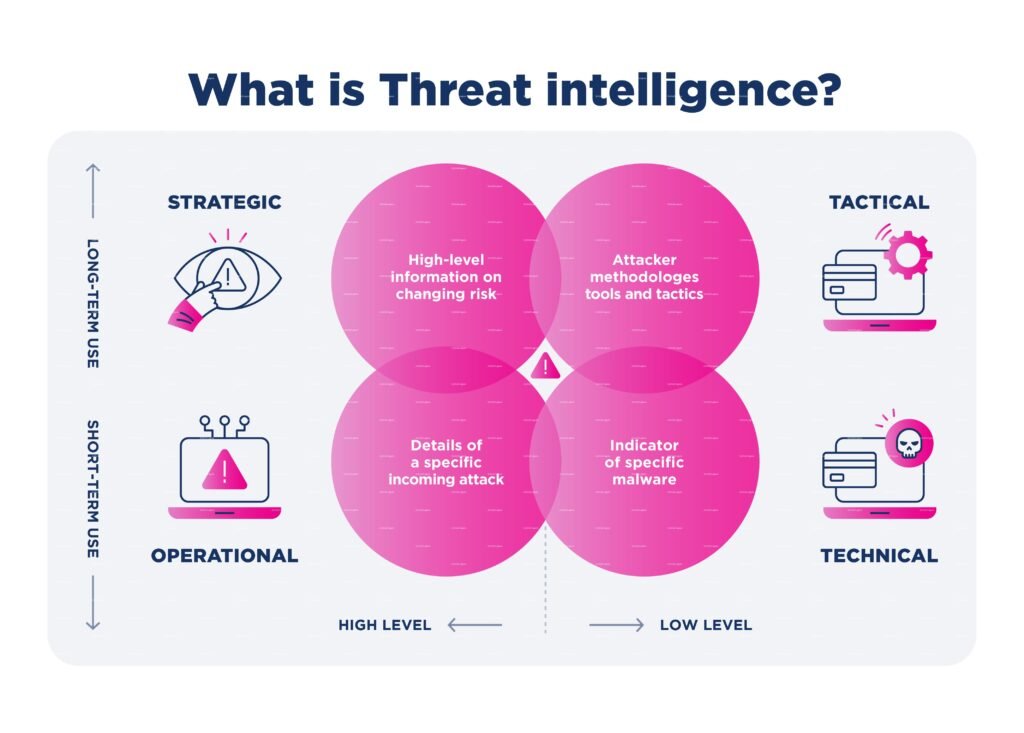
Cyber Threat Intelligence
Proactive Detection of Threats
Utilizing threat intelligence can help organizations detect potential threats before they materialize.
- Continuous Monitoring: Implementing systems for real-time monitoring of network activity.
- Threat Analysis: Conducting analyses of potential threats based on existing data.
- Incident Simulations: Regularly testing incident response plans through simulations.
Benefits of Threat Intelligence
The following table outlines the benefits of leveraging threat intelligence in cybersecurity:
| Benefit | Description |
|---|---|
| Early Warning Systems | Identifying threats before they can cause harm. |
| Informed Decision Making | Using intelligence to make strategic security decisions. |
Utilizing Threat Intelligence Platforms
Advanced platforms can provide organizations with valuable insights into potential cyber threats.
- Data Aggregation: Collecting threat data from various sources for comprehensive analysis.
- Real-Time Sharing: Facilitating real-time sharing of threat intelligence across organizations.
- Automated Response: Enabling automated responses to detected threats for immediate action.
Mitigation Strategies for Cyber Risks
Incident Response Planning
Having a well-defined incident response plan is essential for minimizing the impact of a cyber attack.
- Establishing a Response Team: Designating a team responsible for managing incidents.
- Defining Roles and Responsibilities: Clearly outlining who does what during an incident.
- Regular Testing: Conducting regular tests of the incident response plan to ensure effectiveness.
Components of an Effective Response Plan
The following table outlines key components of an incident response plan:
| Component | Description |
|---|---|
| Identification | Recognizing and defining the nature of the incident. |
| Containment | Implementing measures to limit the impact of the incident. |
Continuous Monitoring and Updates
Ongoing monitoring and updates are vital for adapting to evolving cyber threats.
- Regular Security Assessments: Performing periodic assessments to identify vulnerabilities.
- Updating Security Protocols: Continuously updating security measures based on new threats.
- Monitoring for Anomalies: Keeping an eye out for unusual activity within networks.
Collaborative Approaches to Cybersecurity
Information Sharing Among Organizations
Collaboration between organizations can enhance overall cybersecurity posture.
- Threat Intelligence Sharing: Sharing information about threats can help organizations defend against common risks.
- Collaborative Training: Engaging in joint training exercises to strengthen collective response capabilities.
- Industry Partnerships: Forming alliances within industries to bolster cybersecurity efforts.
Benefits of Collaboration
The following table illustrates the benefits of collaborative cybersecurity efforts:
| Benefit | Description |
|---|---|
| Enhanced Threat Detection | Collective knowledge leads to better identification of threats. |
| Resource Sharing | Sharing tools and resources can reduce costs for individual organizations. |
Engaging with Cybersecurity Experts
Collaborating with experts can greatly enhance an organization’s security measures.
- Consulting Services: Engaging cybersecurity consultants for expert advice and strategies.
- Incident Response Services: Utilizing expert teams for incident management and recovery.
- Training Programs: Accessing specialized training programs for staff and security teams.
Key Takeaways
- Understanding and addressing cyber threats is crucial for modern businesses to protect their assets and reputation.
- Implementing robust security measures and training employees is essential in mitigating risks.
FAQs
What are the most common types of cyber threats?
The most common types of cyber threats include phishing, ransomware, and advanced persistent threats (APTs), all of which target sensitive information and can result in significant damage to organizations.
How can businesses protect themselves against cyber threats?
Businesses can protect themselves by implementing strong cybersecurity measures, conducting regular training for employees, and maintaining compliance with relevant regulations. For more details, visit Cybersecurity.gov.
What should organizations do if they experience a data breach?
Organizations should follow their incident response plan, contain the breach, assess the damage, notify affected parties, and report the incident to relevant authorities.
Is cybersecurity training necessary for all employees?
Yes, cybersecurity training is essential for all employees, as they are often the first line of defense against cyber threats. Educated staff can help prevent breaches and respond effectively if an incident occurs.
What is the role of threat intelligence in cybersecurity?
Threat intelligence plays a crucial role in identifying and mitigating potential threats by providing organizations with actionable insights based on real-time data and analysis.
How often should businesses review their cybersecurity policies?
Businesses should review their cybersecurity policies at least annually or more frequently in response to new threats, changes in business operations, or regulatory requirements.
Conclusion
As we navigate an increasingly digital world, the importance of understanding and mitigating cyber threats cannot be overstated. Organizations must recognize the evolving landscape of these threats and adopt proactive measures to defend against them. By implementing robust security protocols, training employees, ensuring regulatory compliance, and fostering collaboration, businesses can significantly reduce their risk exposure. Ultimately, safeguarding sensitive data and maintaining customer trust are paramount in today’s business environment. The journey towards comprehensive cybersecurity is ongoing, and organizations must remain vigilant and adaptable to stay ahead of the curve.