

Introduction
The phenomenon of Squid Games has captured the attention of audiences worldwide, not only for its thrilling storylines but also for its deep social commentary and character development. Created by Hwang Dong-hyuk, this South Korean series presents a chilling narrative about desperation, survival, and the human condition through the lens of children’s games. As viewers become engrossed in the lives of participants risking everything for a chance at financial freedom, the series prompts us to reflect on broader societal issues. This blog post aims to explore the intriguing world of Squid Games, diving into its origins, character dynamics, thematic elements, and cultural impact.
Introduction to Squid Games
Origins and Concept
Squid Games originated from a traditional Korean children’s game, but its adaptation into a deadly competition introduces a stark contrast between innocence and brutality. The series was first released on Netflix in September 2021 and quickly became a global sensation.
Key Points
- Originated in South Korea with a unique premise of children’s games infused with deadly stakes.
- Explores themes of poverty, desperation, and social inequality.
- Features 456 contestants, each facing their personal struggles and debts.
Global Popularity
The popularity of Squid Games can be attributed to its universal themes that resonate with viewers worldwide. The show’s distinctive visual style, engaging plot, and character depth have led to widespread acclaim.
| Country | Viewership (Millions) |
|---|---|
| United States | 142 |
| South Korea | 32 |
| United Kingdom | 22 |
“Squid Game is a masterclass in storytelling, revealing the dark side of humanity under extreme circumstances.”
Character Analysis
Protagonist Insights
The main character, Seong Gi-hun, embodies the struggles of the working class. His journey through the games reveals his transformation from a desperate individual into a strategic player.
Character Development
- Begins as a down-on-his-luck gambler.
- Gradually evolves into a more complex character as he faces moral dilemmas.
- His relationships with other players showcase themes of trust and betrayal.
Antagonist Dynamics
The antagonists, especially the Front Man and the mysterious VIPs, represent the wealthy elite who exploit the poor for entertainment. Their motivations and interactions with the players add layers to the narrative.
| Antagonist | Motivation |
|---|---|
| Front Man | Control and profit from the games. |
| VIPs | Entertainment through the suffering of others. |
Plot Breakdown
Key Events Overview
The series consists of six games, each more treacherous than the last. Key moments define the plot and the characters’ fates.
Notable Game Events
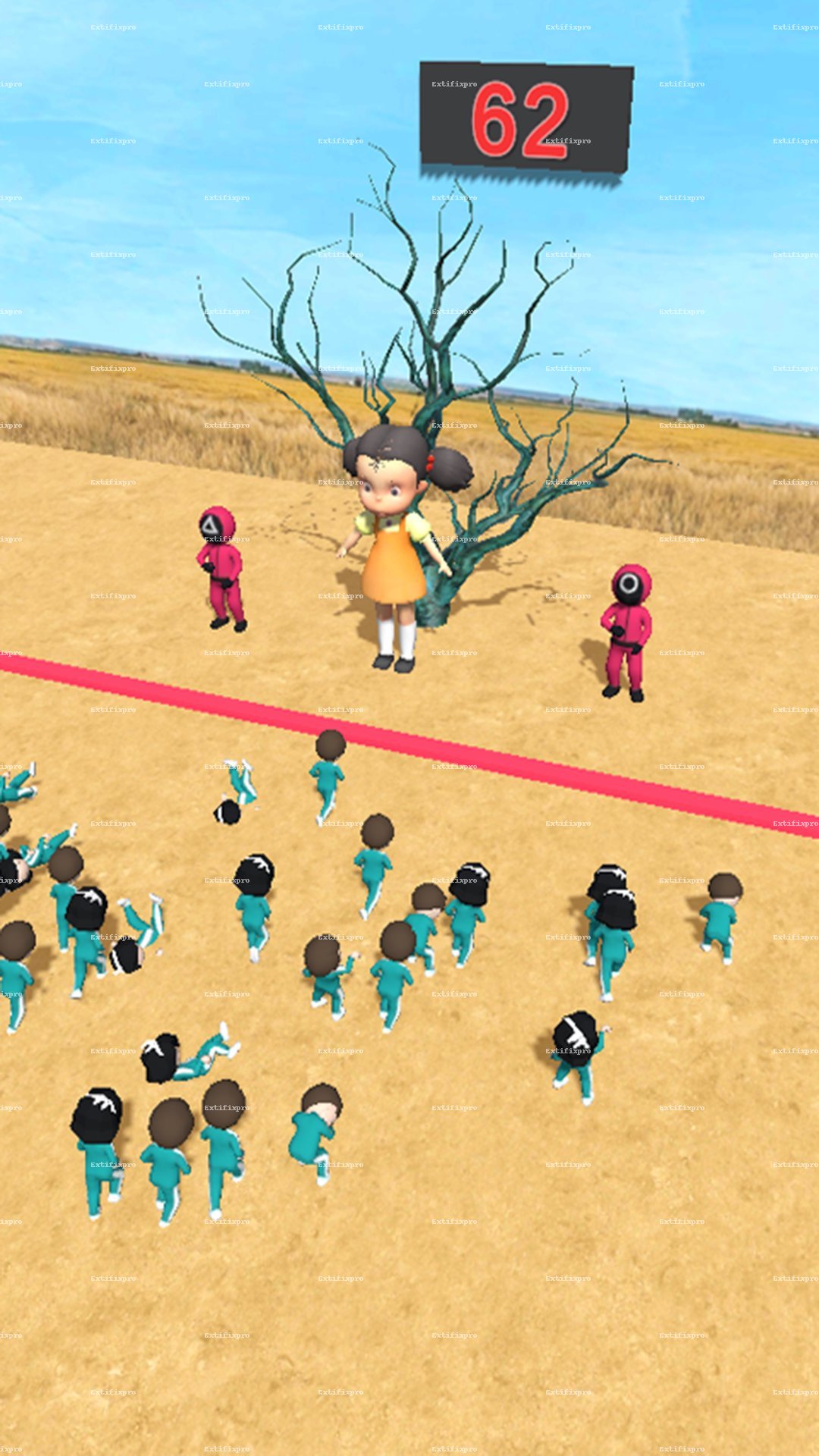
- Red Light, Green Light: The shocking introduction of lethal stakes.
- Dalgona: A test of precision and calm under pressure.
- Tug of War: A strategic battle showcasing alliances and betrayals.
Symbolism Deciphered
Each game in Squid Games carries deep symbolism, reflecting societal issues such as class disparity and the struggle for survival.
“The games are not just a means of entertainment; they mirror the brutal reality of societal structures.”
Themes Explored
Survival vs. Morality
Related: Squid Game – Wikipedia
The crux of Squid Games lies in the conflict between survival instincts and moral choices. Contestants often face dilemmas where they must choose between their humanity and the will to survive.
Ethical Dilemmas
- Characters are forced to betray one another for survival.
- Friendship and loyalty are put to the ultimate test.
Social Commentary
The series offers sharp critiques of capitalism and the desperation it breeds. It reflects on how societal systems can dehumanize individuals.
“Squid Game is a reflection of contemporary society, where the struggle for survival drives people to extremes.”
Production Insights
Behind-the-Scenes Secrets
The production of Squid Games involved meticulous planning and creativity, from set design to casting. The show’s visual elements play a crucial role in storytelling.
Challenges Faced
- Creating a visually striking contrast between the games’ playful aesthetics and their deadly consequences.
- Developing a cohesive narrative that resonates across cultures.
Visual Aesthetics
The vibrant colors and unique set designs enhance the viewing experience, making the series visually compelling while contrasting the dark themes.
Impact on Pop Culture
Trendsetting Influence
Squid Games has influenced various aspects of pop culture, leading to trends in fashion, memes, and even themed merchandise.
Global Impact
- Fashion inspired by the iconic costumes.
- Memes and social media trends stemming from memorable quotes and scenes.
Fan Theories and Speculations
The fan community around Squid Games has generated numerous theories and discussions, adding depth to the viewing experience.
“The discussions among fans showcase the depth of storytelling and the layers of meaning in Squid Games.”
Future Prospects
Seasonal Expectations
With the announcement of a second season, fans are eager to see how the story will unfold and what new challenges await the characters.
Anticipated Developments
- New games that will push characters to their limits.
- Exploration of the backstories of supporting characters.
Cultural Repercussions
The success of Squid Games has opened discussions about the portrayal of societal issues in entertainment, prompting other creators to explore similar themes.
Key Takeaways
- Squid Games is a profound commentary on societal issues, particularly class disparity.
- The series effectively combines thrilling storytelling with deep character exploration.
FAQs
What is the primary theme of Squid Games?
The primary theme revolves around survival and the moral dilemmas individuals face in extreme circumstances, highlighting societal issues like poverty and desperation.
How many games are played in Squid Games?
There are six main games played throughout the series, each with unique challenges and deadly stakes.
Who is the creator of Squid Games?
Squid Games was created by Hwang Dong-hyuk, who also directed and wrote the series.
What cultural impact has Squid Games had?
The series has influenced trends in fashion, spawned a plethora of memes, and sparked discussions about societal issues in contemporary media.
When is the second season of Squid Games expected to be released?
The second season of Squid Games has been announced, but the exact release date is yet to be confirmed.
What makes Squid Games different from other survival shows?
Squid Games combines elements of traditional children’s games with a dark twist, exploring deep psychological themes and social commentaries rarely seen in other survival shows.
Conclusion
Squid Games has emerged as a cultural milestone, captivating audiences with its thrilling narrative and profound societal critiques. Through its exploration of survival, morality, and the human experience, the series transcends typical entertainment, inviting viewers to reflect on the complexities of life. As we anticipate the future of this gripping saga, it is clear that Squid Games will remain a significant topic of discussion in both entertainment and cultural studies.
Further Exploration of Themes
Class Struggle and Economic Inequality
One of the most prominent themes in Squid Games is the exploration of class struggle and economic inequality. The series highlights how financial desperation drives individuals to make extreme choices, often pitting them against each other in a bid for survival. The contestants, each portrayed with unique backstories, reflect the varied experiences of those marginalized by society. For instance, characters like Ali Abdul, a migrant worker, and Kang Sae-byeok, a defector from North Korea, illustrate the harsh realities faced by those at the bottom of the economic ladder.
The creators of Squid Games use these character arcs not only to entertain but also to provoke thought about the systemic issues that lead to such desperation. The games serve as a metaphor for the ruthless competition inherent in capitalist societies, where the survival of the fittest often comes at the expense of others. This commentary resonates particularly in today’s global landscape, where wealth disparity is stark, and many find themselves struggling to make ends meet.
The Nature of Human Relationships
As the contestants navigate the treacherous games, the series delves deeply into the nature of human relationships under pressure. Trust, betrayal, camaraderie, and competition all come into play, revealing how extreme circumstances can either forge unbreakable bonds or lead to devastating betrayals. The dynamics between characters such as Gi-hun, Cho Sang-woo, and Oh Il-nam (the elderly man) illustrate the complex interplay of morality and survival instincts.
Throughout the series, we witness friendships form quickly, yet they are put to the test as the stakes rise. The emotional turmoil experienced by the characters challenges viewers to consider how they would react in similar situations. Would they prioritize their own survival over the lives of others, or would they uphold their moral principles? This exploration of human nature adds another layer of depth to the series, making it not just a story about games, but a reflection on the essence of humanity itself.
The Role of Power and Control
Another significant theme in Squid Games is the exploration of power and control, particularly within the context of societal hierarchies. The Front Man and the VIPs exemplify the way power can distort human values and ethics. They are depicted as omnipotent figures who derive pleasure from watching others suffer, illustrating the darker aspects of human nature when unchecked by morality.
The dynamics between the contestants and their captors serve as a microcosm of broader societal structures, where the powerful often exploit the vulnerable for their own amusement. The stark contrast between the lavish lifestyles of the VIPs and the dire circumstances of the players underscores the grotesque nature of inequality and the lengths to which people will go to maintain their position in a hierarchy.
Audience Reception and Critique
Critical Acclaim
Upon its release, Squid Games received widespread critical acclaim, praised for its writing, direction, and performances. Critics lauded its ability to blend genres, seamlessly transitioning from horror to drama, all while maintaining a satirical edge. The series has been recognized with multiple awards, including several Primetime Emmy Awards, which further solidified its status as a cultural phenomenon.
The performances of the cast, particularly Lee Jung-jae as Gi-hun and Park Hae-soo as Sang-woo, have been highlighted as standout elements that bring depth to the narrative. Their portrayals of desperation, fear, and moral conflict resonate deeply with viewers, allowing for a connection that transcends cultural barriers.
Audience Engagement and Discussion
The impact of Squid Games extends beyond its viewership numbers; it has sparked extensive discussions and debates across social media platforms, forums, and articles. Fans have engaged in analyzing character motivations, dissecting the symbolism of the games, and theorizing about potential future developments. This level of engagement indicates that the series has not only entertained but also encouraged critical thinking about its themes and implications.
Moreover, the show has inspired a plethora of fan art, cosplays, and even academic discussions, showcasing its influence on popular culture and its ability to provoke thought and creativity. The discussions often revolve around the moral implications of the games and the characters’ decisions, making it a rich subject for analysis in both entertainment and social sciences.
The Future of Squid Games
Anticipating Season Two
The announcement of a second season has left fans buzzing with excitement and speculation. The cliffhanger ending of Season One left numerous questions unanswered, and viewers are eager to see how the story will evolve. Will Gi-hun return to the games, or will he seek to dismantle the organization from within? What new games and challenges will the contestants face? These inquiries fuel anticipation as fans eagerly await updates from the creators.
Furthermore, the potential for exploring new characters and their backstories presents an opportunity to delve deeper into the societal issues that the series critiques. By broadening the narrative scope, the second season could amplify the series’ commentary on class struggle and human nature, thereby enriching the viewing experience.
Potential Cultural Impact of Future Seasons
The success of Squid Games has undoubtedly set a precedent for other creators in the industry. As audiences become more receptive to narratives that tackle complex social issues, we may see an increase in similar content that challenges societal norms and provokes discussion. The series has opened the door for more diverse storytelling, allowing creators to explore themes that resonate with contemporary audiences.
Moreover, the global phenomenon of Squid Games has emphasized the importance of representation in media. By showcasing a predominantly Asian cast and drawing from cultural nuances, the series has highlighted the value of diverse narratives and perspectives in mainstream entertainment. This trend may encourage more creators to embrace cultural storytelling, further enriching the landscape of television and film.
Read also: Squid Game (TV Series 2021–2025) – IMDb
Conclusion
In conclusion, Squid Games is more than just a gripping survival drama; it is a profound commentary on the human experience and societal structures. Its exploration of themes such as class struggle, morality, and the nature of human relationships resonates deeply with viewers, prompting reflection on the complexities of life. As we look forward to future seasons, it is clear that Squid Games will continue to captivate audiences and inspire discussions about the real-world implications of its narrative. The series stands as a testament to the power of storytelling, reminding us that entertainment can serve as a mirror to society, reflecting both its darkest corners and its most enduring hopes.