
html
Introduction
The evolution of technology has led to remarkable innovations in various fields, and one of the most exciting advancements is the emergence of smart glasses. These devices not only enhance vision but also integrate modern technology to provide users with a unique experience. In this comprehensive guide, we will explore the features, benefits, and future of smart glasses. We aim to provide insights into how these devices are transforming vision enhancement and our daily lives.
Introduction to Smart Glasses
Evolution of Smart Eyewear
The journey of smart glasses began with simple concepts and has evolved into sophisticated devices. Here are some key milestones in the evolution of smart eyewear:
- Early prototypes in the 1980s focused on basic augmented reality.
- The introduction of Google Glass in 2013 marked a significant leap in consumer technology.
- Recent developments have integrated advanced features like augmented reality (AR) and artificial intelligence (AI).
Key Innovations
- Integration of AR technology for immersive experiences.
- Enhanced connectivity with smartphones and other smart devices.
- Voice command capabilities for hands-free operation.
Benefits of Smart Glasses
Smart glasses offer numerous benefits, enhancing both vision and user experience. These include:
- Improved Accessibility: Smart glasses can be programmed to assist users with visual impairments.
- Real-Time Information: Users can receive notifications and access information without needing to check their phones.
- Hands-Free Functionality: Voice commands allow users to interact with applications without using their hands.
Technological Innovations in Smart Glasses
Augmented Reality Integration
Augmented reality is one of the most significant advancements in smart glasses technology. This section explores its implications:
- AR enhances real-world experiences by overlaying digital information.
- Applications include navigation, gaming, and educational tools.
AR in Daily Life
Examples of AR applications in smart glasses include:
| Application | Purpose |
|---|---|
| Navigation | Provides real-time directions and location information. |
| Gaming | Creates immersive gaming experiences in real-world environments. |
Voice Command Capabilities
Voice command technology is a game changer for smart glasses. It allows users to:
- Control functions without physical interaction.
- Access applications quickly and efficiently.
Benefits of Voice Commands
Voice commands enhance usability in various scenarios:
- Ideal for hands-free tasks in industrial settings.
- Facilitates interaction for users with disabilities.
Applications of Smart Glasses
Medical and Healthcare Sector
Smart glasses are making significant contributions to the medical field. Key applications include:
- Assisting surgeons during complex procedures with real-time data.
- Providing telehealth services and remote consultations.
Case Studies
Several hospitals and clinics have adopted smart glasses:
| Facility | Application |
|---|---|
| Johns Hopkins Hospital | Remote surgery assistance using AR overlays. |
| Cleveland Clinic | Telehealth consultations via smart glasses. |
Industrial and Enterprise Use Cases
In industrial settings, smart glasses enhance productivity and safety:
- Training employees with AR simulations.
- Providing real-time data and instructions to workers on the floor.
Industry Examples
Some enterprises successfully utilizing smart glasses include:
- Manufacturing companies for assembly line guidance.
- Logistics firms for inventory management and tracking.
Future Trends in Smart Glasses Development
Enhanced Connectivity Features
Future smart glasses are expected to have improved connectivity options. These may include:
- 5G integration for faster data transfer.
- Better compatibility with IoT devices.
Implications of Enhanced Connectivity
The integration of enhanced connectivity will lead to:
- Smoother user experiences with real-time updates.
- Broader applications in various sectors.
Sleeker Design and Comfort
As technology advances, smart glasses will become more stylish and comfortable:
- Thinner frames and lighter materials for everyday wear.
- Customization options for individual preferences.
Future Aesthetics
Design trends may include:
- Fashion partnerships to create designer smart glasses.
- Integration of smart features in traditional eyewear styles.
Challenges and Limitations of Smart Glasses
Privacy Concerns and Data Security
Privacy remains a significant concern with the use of smart glasses:
- Potential for unauthorized data collection.
- Need for robust security measures to protect user information.
Expert Opinions
“The future of smart glasses hinges on addressing privacy and security concerns effectively.”
User Experience Challenges
Despite their potential, smart glasses face user experience challenges:
- Issues with battery life and device weight.
- Steep learning curves for new users.
Solutions to Improve User Experience
- Ongoing user feedback to enhance usability.
- Development of intuitive interfaces and controls.
Comparison with Traditional Eyewear
Functionality and Versatility
Smart glasses offer functionalities that traditional eyewear cannot:
- Real-time notifications and information access.
- Integration with applications and services.
Comparison Table
| Feature | Smart Glasses | Traditional Eyewear |
|---|---|---|
| Notifications | Yes | No |
| Voice Commands | Yes | No |
Fashion and Style Impact
The introduction of smart glasses has influenced fashion trends:
- Emergence of stylish designs that appeal to younger audiences.
- Collaboration between tech companies and fashion brands.
Future of Eyewear Fashion
As smart glasses evolve, we may see:
- More fashionable options that blend technology with style.
- Increased acceptance of smart glasses in everyday life.
The Impact of Smart Glasses on Society
Workplace Transformation
Smart glasses are reshaping workplace dynamics:
- Improved efficiency through augmented workflows.
- Enhanced collaboration among remote teams.
Real-World Examples
Companies leveraging smart glasses for workplace transformation include:
- Amazon for warehouse operations.
- BMW for assembly line assistance.
Social Interaction Dynamics
Smart glasses are changing how we interact socially:
- Facilitating new forms of communication.
- Raising questions about social norms and privacy.
Future Social Interactions
As smart glasses become mainstream:
- Expect shifts in how we perceive personal space and privacy.
- Potential changes in social etiquette regarding technology use in public.
Key Takeaways
- Smart glasses offer a unique blend of technology and functionality that transforms vision enhancement.
- As technology advances, smart glasses will likely become more integrated into daily life and work environments.
FAQs
What are smart glasses?
Smart glasses are wearable devices that combine traditional eyewear with technology, enabling users to access information, communicate, and experience augmented reality.
How do smart glasses work?
Smart glasses use a combination of sensors, displays, and connectivity to provide users with real-time information and interact with various applications.
Are smart glasses safe to use?
Yes, smart glasses are generally safe to use; however, privacy concerns exist, and users should be aware of their surroundings when wearing them.
What industries benefit from smart glasses?
Industries such as healthcare, manufacturing, logistics, and education are among those benefiting significantly from smart glasses technology.
Will smart glasses replace traditional eyewear?
While smart glasses offer advanced functionalities, traditional eyewear will likely coexist, serving different purposes and user preferences.
How much do smart glasses cost?
The price of smart glasses varies widely, ranging from a few hundred to several thousand dollars, depending on the brand, features, and technology.
Where can I buy smart glasses?
You can purchase smart glasses from various online retailers, electronic stores, or directly from manufacturers’ websites.
html
Future of Smart Glasses in Daily Life
As smart glasses continue to evolve, their integration into daily life is expected to deepen significantly. From enhancing productivity to facilitating seamless communication, the potential applications are vast and varied.
Integration into Smart Homes
One of the most exciting prospects for smart glasses is their integration with smart home technology. Imagine being able to control your home environment—lights, thermostat, security systems—simply by looking at a device and making a voice command. The synergy between smart glasses and smart home devices can lead to:
- Home Automation: Users can manage their smart home devices with ease, using AR overlays to visualize the status of various systems in real-time.
- Enhanced Security: Smart glasses can provide live feeds from security cameras, allowing users to monitor their homes while on the go.
- Energy Efficiency: By integrating with smart home systems, users can receive real-time feedback on energy consumption and tips for reducing usage.
Education and Training
Education is another realm where smart glasses are poised to make a significant impact. They can offer immersive learning experiences that enhance comprehension and retention:
- Interactive Learning: Smart glasses can facilitate interactive lessons, allowing students to visualize complex concepts in a 3D space.
- Remote Learning: With AR capabilities, educators can provide remote students with a more engaging learning experience, bridging geographical gaps.
- Skill Development: In vocational training, smart glasses can overlay instructional content directly onto the equipment being used, minimizing the learning curve.
Travel and Adventure
For travelers and adventure enthusiasts, smart glasses can be a game changer:
- Augmented Travel Guides: Smart glasses can provide real-time information about landmarks, history, and culture as users explore new places.
- Language Translation: Instant translation through AR can help travelers navigate foreign environments with ease, breaking down communication barriers.
- Navigation: With built-in GPS and AR, users can receive directional cues right in their line of sight, enhancing the travel experience.
Smart Glasses and Health Monitoring
Another emerging application for smart glasses is in the field of health monitoring:
- Wearable Health Tech: Future smart glasses could include features that monitor vital signs, such as heart rate and oxygen levels, providing immediate feedback to the user.
- Personalized Health Insights: Integration with health apps can allow users to visualize their health data in real-time, empowering them to make informed decisions about their wellness.
- Telemedicine: Smart glasses can facilitate remote consultations with healthcare professionals, allowing patients to receive care without leaving their homes.
Challenges Ahead for Smart Glasses Adoption
Technological Limitations
While the future of smart glasses is promising, there are several technological challenges that need to be addressed:
- Battery Life: Current smart glasses often struggle with battery longevity, which can limit usage time and hinder functionality.
- Processing Power: As features become more advanced, the need for enhanced processing capabilities will grow, necessitating innovations in hardware.
- Integration with Existing Technologies: Ensuring seamless compatibility with other devices and platforms is crucial for widespread adoption.
Public Acceptance and Perception
The acceptance of smart glasses by the public is another hurdle. While early adopters may embrace the technology, broader societal acceptance will depend on:
- Privacy and Ethical Concerns: Addressing concerns about surveillance and data collection will be crucial for gaining public trust.
- Social Stigma: Overcoming the perception that smart glasses are intrusive or socially awkward will require effective marketing strategies.
- User Education: Educating potential users about the benefits and safety of smart glasses can help mitigate fears and encourage adoption.
Comparative Analysis of Major Smart Glasses Brands
The market for smart glasses is becoming increasingly competitive, with several brands vying for consumer attention. Here is a comparative analysis:
Google Glass
Initially launched as a consumer product, Google Glass has pivoted towards enterprise applications, emphasizing productivity and efficiency in various industries:
- Strengths: Strong AR capabilities, established brand recognition, and robust app ecosystem.
- Weaknesses: Limited consumer appeal due to privacy concerns and high price point.
Microsoft HoloLens
This device is primarily aimed at enterprise users, providing advanced mixed reality experiences:
- Strengths: High-quality AR experience, strong enterprise applications, and extensive support for developers.
- Weaknesses: Bulky design and high cost make it less appealing for casual users.
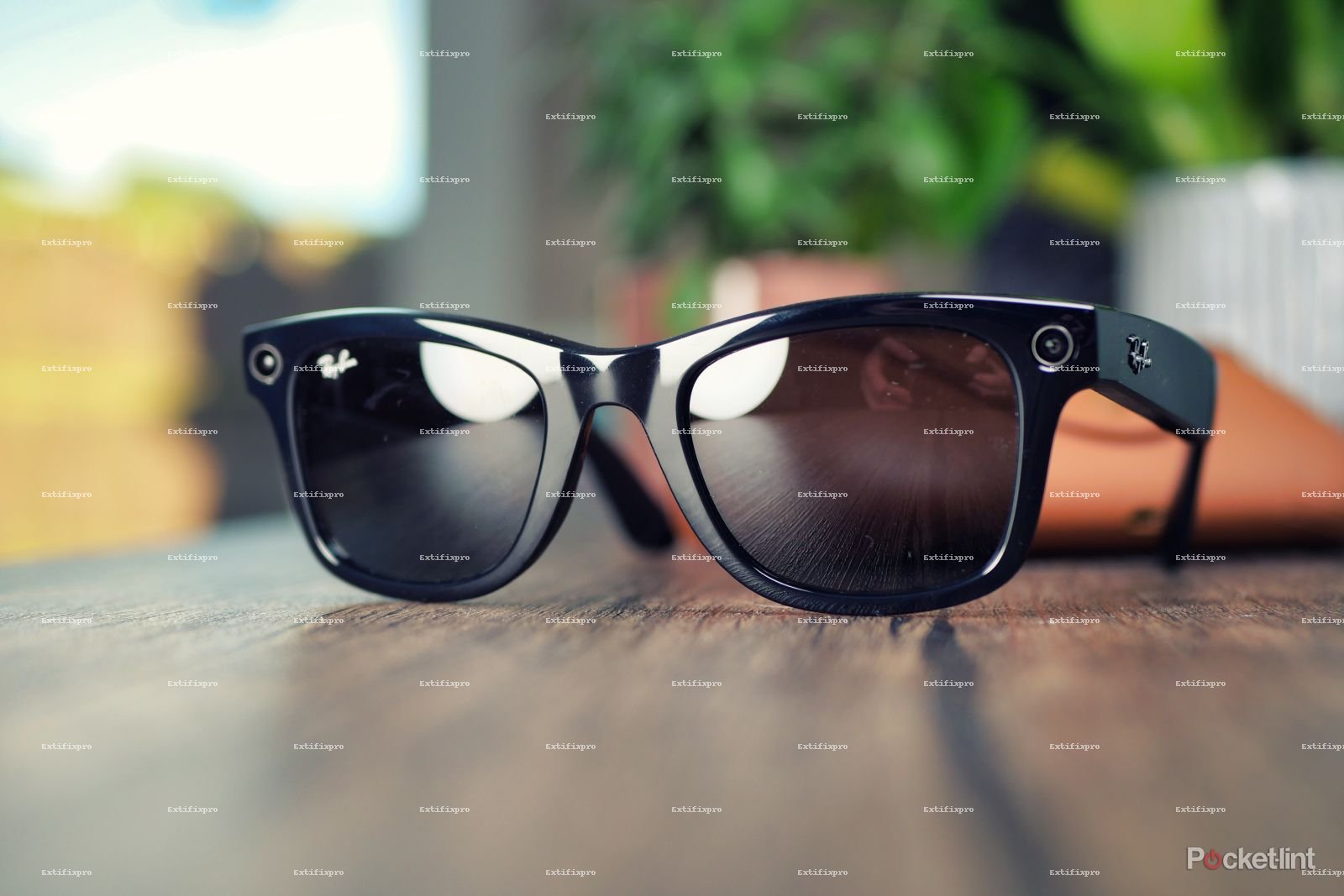
Facebook’s Ray-Ban Stories
These smart glasses focus on social connectivity and photography:
- Strengths: Stylish design, social media integration, and user-friendly interface.
- Weaknesses: Limited AR capabilities and privacy concerns regarding data collection.
Conclusion
The future of smart glasses is bright, with the potential to revolutionize how we interact with technology and the world around us. As advancements continue, these devices will likely become more integrated into our daily lives, enhancing everything from education and healthcare to leisure and professional environments. However, addressing challenges related to privacy, user experience, and technological limitations will be crucial for widespread acceptance. By navigating these hurdles, smart glasses can truly change the way we see and engage with the world.
FAQs (Continued)
What are the most popular brands of smart glasses?
Some of the most popular brands include Google, Microsoft, Facebook (Ray-Ban Stories), and Vuzix, each offering unique features tailored to different user needs.
Can smart glasses be used for gaming?
Yes, many smart glasses are designed to provide immersive gaming experiences, utilizing augmented reality to enhance gameplay.
Will smart glasses replace smartphones?
While smart glasses may complement smartphones, they are not likely to fully replace them in the near future, as each serves different purposes.
How can I ensure my privacy while using smart glasses?
To protect your privacy, be mindful of where and how you use smart glasses, and understand the data policies of the applications you use.
What features should I look for when buying smart glasses?
Look for features such as battery life, compatibility with your devices, AR capabilities, and design comfort to ensure a satisfying user experience.
Are there any health risks associated with using smart glasses?
Currently, there are no significant health risks associated with using smart glasses, but prolonged use may lead to eye strain, so it is important to take breaks.
Where can I learn more about smart glasses technology?
Many online resources, including tech blogs, manufacturer websites, and consumer reviews, offer insights into the latest developments in smart glasses technology.
In this expanded content, we explore the future of smart glasses in various aspects of daily life, including their potential integration with smart homes, education, and healthcare, while also addressing challenges related to technological limitations and public perception. A comparative analysis of major brands is provided, along with additional FAQs to add depth to the discussion. This comprehensive guide aims to give readers a thorough understanding of the transformative potential of smart glasses in the near future.