
Introduction
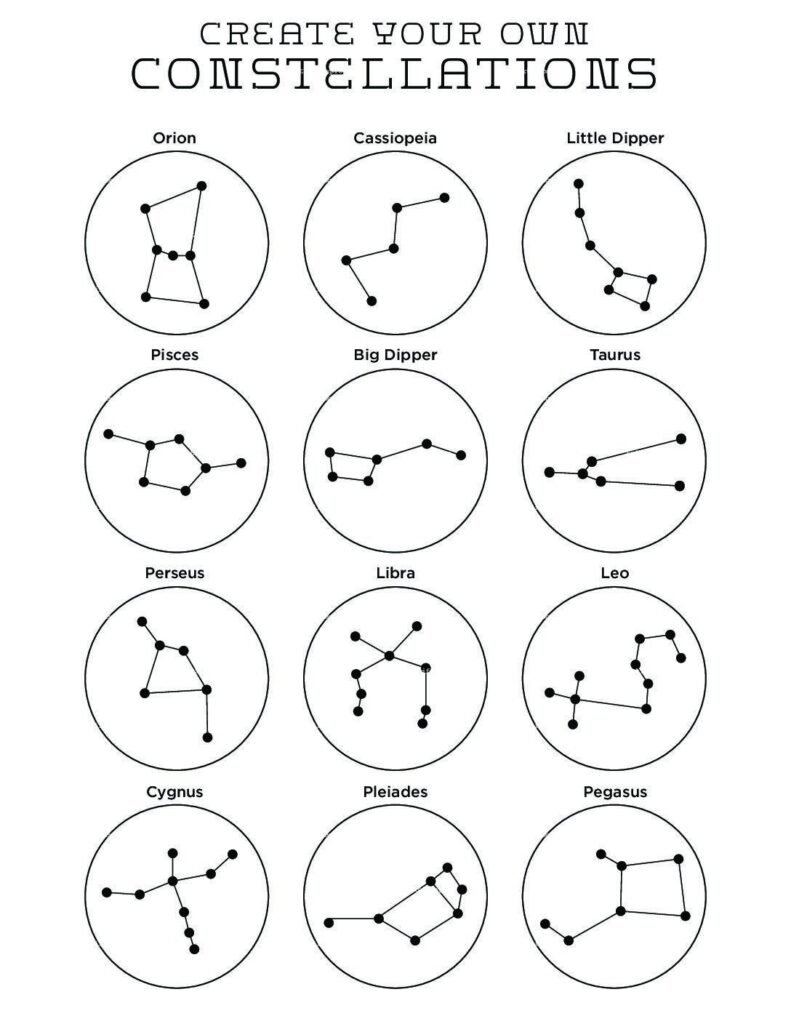
Stargazing has captivated the hearts and minds of humanity for centuries. The night sky, adorned with constellations, tells stories of ancient cultures, navigational feats, and the ever-expanding universe. In this comprehensive guide, we will explore the fascinating world of constellations, offering insights into their history, identification techniques, and stargazing methodologies. Whether you are a novice or a seasoned stargazer, this guide will enhance your understanding and appreciation of the celestial patterns that grace our night skies.
Introduction to Constellations
The History and Significance of Constellations
Constellations have been used for centuries, serving as both navigational tools and sources of inspiration for countless myths and legends. Ancient civilizations, from the Greeks to the Chinese, mapped the stars to create stories and explain natural phenomena. These celestial patterns provided guidance for sailors and farmers alike.
Key Points
- Constellations as navigational aids.
- Mythological significance across cultures.
- Historical uses of constellations in agriculture.
Importance of Constellations in Astronomy
In modern astronomy, constellations serve as crucial reference points for locating celestial objects. They help astronomers categorize stars and understand the vastness of space.
| Constellation Name | Number of Stars |
|---|---|
| Orion | 81 |
| Ursa Major | 118 |
Identifying Constellations
Tips for Recognizing Common Constellations
Identifying constellations can be a rewarding experience. Here are some tips to help you spot common constellations in the night sky:
- Familiarize yourself with the Big Dipper and its surrounding stars.
- Use a star chart to locate constellations based on the season.
- Attend local stargazing events for guided experiences.
Tools and Apps for Constellation Identification
With advancements in technology, several tools and applications can assist in identifying constellations. Some popular options include:
- SkyView – Augmented reality app for stargazing.
- Stellarium – A powerful planetarium software.
- Star Walk – An interactive stargazing app.
Stargazing Techniques
Best Practices for Observing Constellations
To enhance your stargazing experience, consider the following best practices:
- Find a dark location away from city lights.
- Use a red flashlight to preserve night vision.
- Bring a blanket or reclining chair for comfort.
Understanding Star Maps and Coordinates
Star maps provide a visual guide to the night sky. Learning to read these maps and understanding celestial coordinates can significantly improve your stargazing skills.
| Coordinate Type | Description |
|---|---|
| Right Ascension | Similar to longitude, it measures the position of stars. |
| Declination | Similar to latitude, it measures how far north or south a star is from the celestial equator. |
Popular Constellations Around the World
Exploring the Mythology Behind Orion and Other Famous Constellations
Orion is one of the most recognized constellations, steeped in mythology. Its representation as a hunter has inspired stories across cultures. Other constellations like Ursa Major and Cassiopeia also hold rich mythological tales.
Unique Constellations in Different Hemispheres
Constellations vary significantly between the northern and southern hemispheres. For instance, the Southern Cross is a unique constellation visible primarily in the southern sky.
Photographing Constellations
Tips for Capturing Stunning Images of Constellations
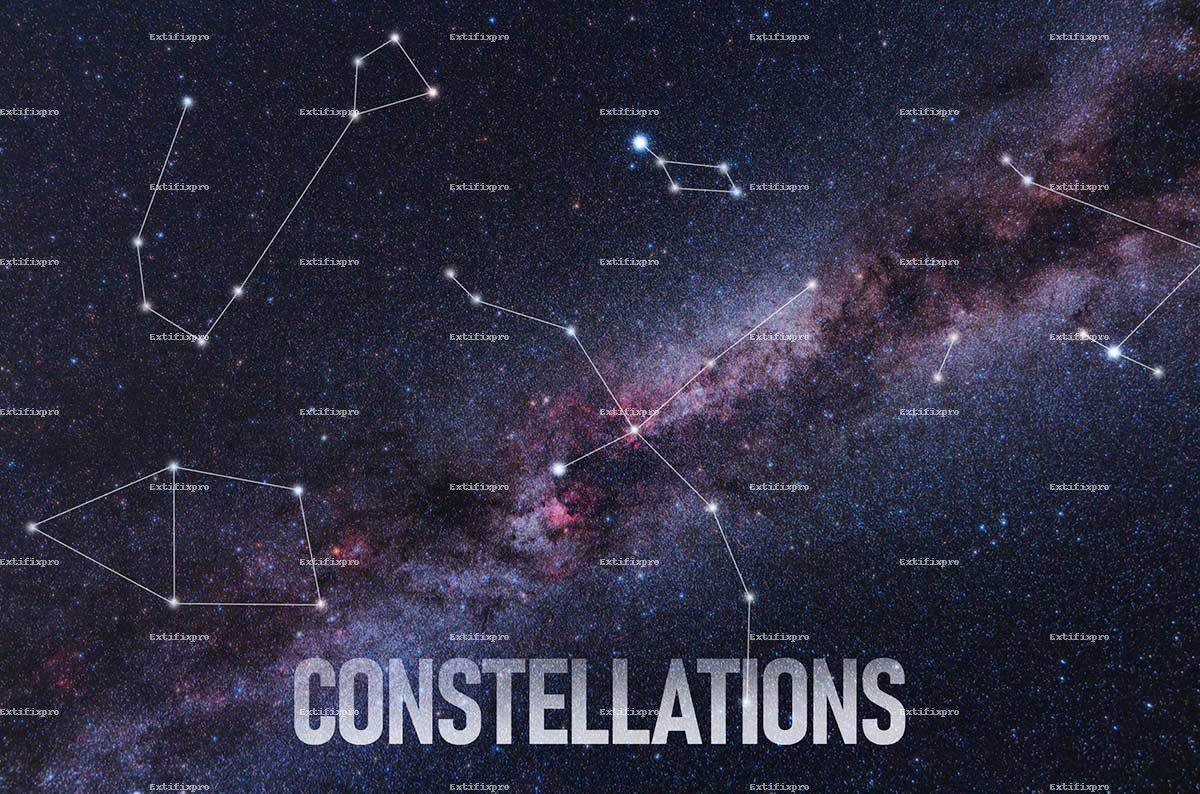
Astrophotography can be a rewarding pursuit. Here are some tips to help you capture breathtaking images:
- Use a tripod to stabilize your camera.
- Experiment with long exposure settings.
- Focus on framing your shots with foreground elements.
Recommended Camera Settings and Equipment
To achieve the best results, consider the following camera settings:
- ISO: 800-3200 for low-light conditions.
- Aperture: f/2.8 or lower for better light capture.
- Shutter Speed: 15-30 seconds depending on the focal length.
Scientific Facts About Constellations
Composition and Formation of Constellations
Constellations are formed from stars that appear close to each other from our viewpoint on Earth, even though they may be light-years apart in reality. The study of these formations helps astronomers understand stellar evolution.
Role of Constellations in Astronomy Research
Researchers utilize constellations to track celestial movements and study the universe’s structure. They help in categorizing stars and assessing their life cycles.
Future Trends in Constellation Observation
Technological Advancements in Studying Constellations
The future of constellation observation looks promising, with advancements such as:
- High-resolution telescopes.
- Satellite technology for clearer images.
- AI-driven analysis for identifying celestial phenomena.
Impact of Light Pollution on Constellation Visibility
Light pollution poses a significant threat to stargazing. Efforts are underway globally to mitigate its effects and promote dark sky initiatives.
(Key Takeaways – Must be in en dont write it up as Key Takeaways)
- Constellations offer a rich tapestry of history and mythology.
- Recognizing constellations enhances the stargazing experience.
FAQs – Must be in en
What are constellations?
Constellations are patterns of stars in the night sky that have been identified and named by various cultures throughout history.
How can I identify constellations?
Identifying constellations can be done using star charts and apps. Observing the sky regularly will also help you recognize them.
Why are constellations important?
Constellations aid in navigation and help astronomers locate celestial objects, making them essential for both historical and modern astronomy.
Can I photograph constellations with a smartphone?
Yes, while it can be challenging, you can capture constellations with a smartphone using long exposure settings and a tripod.
What impact does light pollution have on stargazing?
Light pollution diminishes the visibility of stars and constellations, making it difficult to observe celestial bodies in urban areas.
Conclusion
The world of constellations is a mesmerizing blend of science, history, and art. As you venture into stargazing, let the beauty of these celestial patterns inspire you. With the right tools, techniques, and a bit of curiosity, anyone can become a proficient stargazer, exploring the mysteries of the universe one constellation at a time.