
Introduction
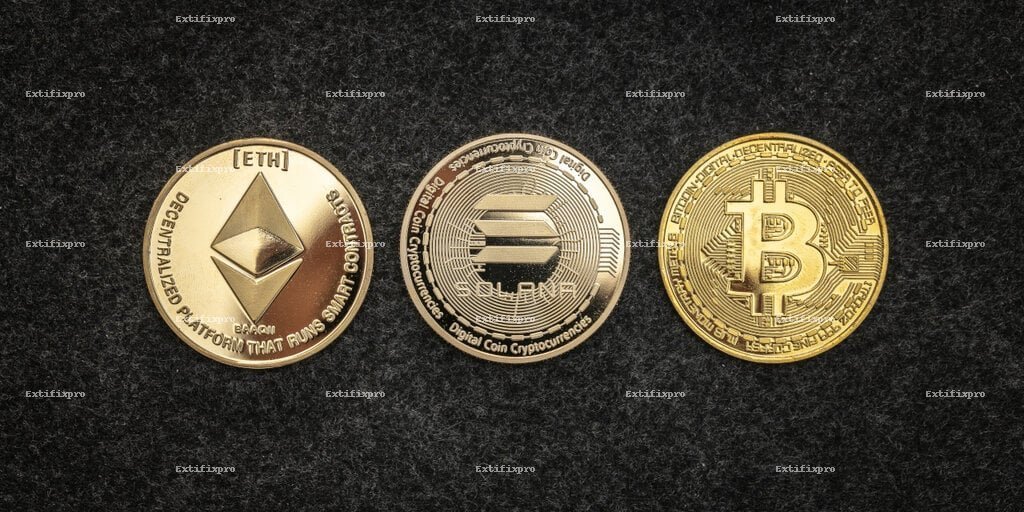
The cryptocurrency landscape has been shaped significantly over the past decade, with Bitcoin and Ethereum emerging as the two leading digital assets. While Bitcoin is often referred to as digital gold, Ethereum has carved out its niche as a platform for decentralized applications (dApps) and smart contracts. This blog post aims to explore the intricate relationship between Bitcoin and Ethereum, examining their unique features, market dynamics, and how they influence each other within the broader cryptocurrency ecosystem.
Understanding Bitcoin and Ethereum
What is Bitcoin?
Bitcoin, created in 2009 by an anonymous entity known as Satoshi Nakamoto, is the first cryptocurrency and operates on a decentralized network called blockchain. Bitcoin’s primary purpose is to serve as a digital currency and a store of value. It enables peer-to-peer transactions without the need for intermediaries, which allows users to send and receive money across borders quickly and with lower fees than traditional banking systems.
Key Features of Bitcoin
- Decentralization: No central authority controls Bitcoin transactions. This decentralization enhances security and reduces the risk of censorship.
- Limited Supply: There will only ever be 21 million Bitcoins, which creates scarcity. This capped supply is a fundamental aspect of Bitcoin’s value proposition as “digital gold.”
- Security: Bitcoin transactions are secured by cryptographic algorithms. The network’s security is further bolstered by a robust mining process that requires substantial computational power.
What is Ethereum?
Launched in 2015 by Vitalik Buterin and his team, Ethereum introduced a revolutionary concept of smart contracts, enabling developers to build decentralized applications on its blockchain. Unlike Bitcoin, which primarily focuses on currency transactions, Ethereum allows for more complex programmable transactions through its Turing-complete programming language.
Key Features of Ethereum
- Smart Contracts: Self-executing contracts with the terms directly written into code. These contracts automatically enforce agreements without the need for intermediaries.
- Decentralized Applications (dApps): Applications that run on the Ethereum network without central control. dApps leverage smart contracts to provide various services across sectors like finance, gaming, and supply chain management.
- Ether (ETH): The native cryptocurrency used to power transactions and computations on the Ethereum network. Ether serves both as a medium of exchange and as “gas” to fuel smart contract execution.
Market Dynamics: Bitcoin vs. Ethereum
Price Trends
The price of Bitcoin and Ethereum often exhibits unique patterns influenced by market sentiment, technological advancements, and regulatory news. Both cryptocurrencies have experienced significant volatility since their inception, leading to substantial investment opportunities as well as risks for traders and investors alike. Understanding these price movements is crucial for making informed investment decisions.
| Date | Bitcoin Price (USD) | Ethereum Price (USD) |
|---|---|---|
| January 2023 | $16,500 | $1,200 |
| October 2023 | $28,000 | $1,800 |
Market Capitalization
Bitcoin consistently holds the largest market capitalization, but Ethereum’s rapid growth has led to increased competition in the market. As of October 2023, Bitcoin’s market cap stands at approximately $550 billion, while Ethereum’s market cap has reached around $220 billion. This significant gap highlights Bitcoin’s dominance but also underscores Ethereum’s substantial progress in gaining market share.
| Cryptocurrency | Market Cap (USD) |
|---|---|
| Bitcoin | $550 billion |
| Ethereum | $220 billion |
Technological Differences
Consensus Mechanisms
The consensus mechanism is vital for validating transactions and securing the network. Bitcoin uses the Proof of Work (PoW) consensus mechanism, while Ethereum is transitioning to Proof of Stake (PoS), which promises greater energy efficiency and scalability. Understanding these mechanisms can help investors appreciate the underlying technology of each cryptocurrency.
Proof of Work (PoW)
- Energy-intensive process that requires miners to solve complex mathematical problems to validate transactions.
- Mining rewards incentivize participants to secure the network, but this can lead to concerns about environmental sustainability.
- The PoW system can be slow, with longer transaction times during peak demand periods due to network congestion.
Proof of Stake (PoS)
- A more energy-efficient alternative where validators are chosen based on the number of coins they hold and are willing to “stake.” This reduces the carbon footprint associated with mining.
- Promotes decentralization by allowing more participants to validate transactions without needing expensive hardware.
- The PoS mechanism allows for faster transaction speeds and lower fees compared to PoW systems.
Smart Contracts vs. Transactions
While Bitcoin primarily focuses on peer-to-peer transactions, Ethereum’s blockchain is designed to facilitate complex smart contracts and dApps. This distinction gives Ethereum a broader range of applications beyond mere currency transactions. The versatility of smart contracts has led to a surge in innovative projects across numerous industries including finance, real estate, and entertainment.
Impact on the Cryptocurrency Ecosystem
Interdependence and Influence
The price movements of Bitcoin often influence Ethereum and vice versa, creating a dynamic relationship that affects the entire cryptocurrency market. When major events occur that impact one cryptocurrency, it can trigger reactions across the board, making it essential for investors to monitor both assets closely. The intertwined nature of these two cryptocurrencies means that shifts in one can lead to significant changes in market sentiment regarding the other.
Correlation Between Prices
- When Bitcoin rises, Ethereum often follows due to increased investor interest and confidence in the overall market.
- Conversely, market corrections in Bitcoin can lead to similar trends in Ethereum as traders adjust their portfolios in response to shifts in market sentiment.
- The correlation between these two assets can create opportunities for arbitrage trading strategies where investors seek to capitalize on price discrepancies between the two cryptocurrencies.
- This interdependence highlights the importance of understanding broader market trends when investing in either asset.
Regulatory Impact
Regulations affecting one of these cryptocurrencies can have ripple effects on the other, influencing market perceptions and investment strategies. For instance, announcements regarding regulatory measures in key markets like the United States or Europe can lead to increased volatility in both Bitcoin and Ethereum prices. Regulatory clarity can foster growth in the cryptocurrency sector but may also impose restrictions that could hinder innovation.
The evolving regulatory landscape poses challenges but also opportunities for both cryptocurrencies. As governments worldwide strive to establish clear guidelines for cryptocurrency operations, compliance will become a critical factor for projects built on both networks. Initiatives aimed at consumer protection could ultimately enhance trust and legitimacy within the broader financial ecosystem.
Challenges Faced by Bitcoin and Ethereum
Scalability Issues
Both Bitcoin and Ethereum face scalability challenges that can impact their transaction speeds and costs. As user adoption increases, so does the strain on their respective networks. This section explores how each platform addresses these challenges while continuing to grow. Scaling solutions are vital for maintaining performance as user activity intensifies.
Bitcoin Scalability Solutions
- Lightning Network: A second-layer solution designed to facilitate faster transactions by enabling off-chain transactions between users. This innovation allows users to transact without clogging the main blockchain with every transaction.
- Segregated Witness (SegWit): A protocol upgrade that increases block size by separating transaction signatures from transaction data. This allows more transactions to be processed in each block, effectively increasing throughput.
- Batch Processing: Combining multiple transactions into one reduces the overall load on the blockchain network.
- Schnorr Signatures: A proposed upgrade that could further enhance privacy and scalability by allowing multiple signatures to be combined into one.
Ethereum Scalability Solutions
- Shard Chains: A future enhancement aimed at improving transaction throughput by splitting the network into smaller pieces or “shards,” each capable of processing its transactions simultaneously.
- Layer 2 Solutions: Such as Rollups that process transactions off-chain before settling them back on the main Ethereum chain. This reduces congestion and improves speed while maintaining security.
- EIP-1559: A protocol upgrade designed to improve transaction fees by implementing a base fee system that adjusts according to demand, providing more predictable costs for users.
- The Merge: The transition from PoW to PoS not only aims at reducing energy consumption but also enhances transaction speed and scalability significantly.
Security Concerns
Both networks are vulnerable to specific attacks, and maintaining security is crucial for their longevity. As they scale and attract more users, they become increasingly attractive targets for malicious actors. The rise of decentralized finance (DeFi) applications built on Ethereum has also introduced new security challenges. Smart contract vulnerabilities can lead to significant financial losses if exploited. Continuous audits and community vigilance are essential for safeguarding assets on both networks.
The introduction of new technologies also brings new vulnerabilities. For instance, while smart contracts automate processes, poorly coded contracts can be exploited by hackers resulting in significant financial loss for users involved. Educational initiatives focusing on secure coding practices are essential for developers engaging with these technologies.
Future Outlook for Bitcoin and Ethereum
Predicted Trends
Experts predict various trends for both Bitcoin and Ethereum, particularly as they adapt to a rapidly changing market landscape influenced by technological advancements and regulatory developments. The trajectory of both cryptocurrencies will likely be shaped by how effectively they address current challenges while capitalizing on emerging opportunities.
Bitcoin’s Future
- Continued Adoption as a Store of Value: Many investors view Bitcoin as a hedge against inflation and economic uncertainty. Its limited supply may bolster its status as “digital gold.”
- Potential for Increased Institutional Investment: As more institutional players enter the cryptocurrency space, Bitcoin could see significant inflows from large investment firms seeking exposure to digital assets.
- Evolving Use Cases: Beyond being a store of value, Bitcoin may also find new applications in remittances and cross-border payments due to its fast transaction capabilities compared to traditional banking systems.
- Mainstream Financial Products: With products like ETFs becoming more commonplace, Bitcoin may become even more integrated into traditional finance, potentially leading to increased liquidity and stability in its price.
Ethereum’s Future
- Growth of the DeFi (Decentralized Finance) Sector: As DeFi continues to expand rapidly, Ethereum will likely play a central role due to its robust smart contract capabilities. Projects within DeFi are innovating financial services that have traditionally relied on intermediaries.
- Expansion of dApps and Increased User Adoption: The rise of non-fungible tokens (NFTs) and other innovative applications built on Ethereum will attract more users to its platform. As industries like gaming integrate NFTs into their ecosystems, Ethereum’s relevance will continue to grow.
- Sustainability Initiatives: With the shift to PoS expected to reduce energy consumption significantly, Ethereum may position itself as a more environmentally friendly alternative within the cryptocurrency space. This shift could appeal not only to individual investors but also attract institutional capital concerned about environmental impact.
- Cross-Chain Interoperability: As blockchain ecosystems evolve, solutions enabling interaction between different blockchains could emerge, further enhancing Ethereum’s utility as a foundational layer in multi-chain environments.
Key Takeaways
- Differentiation: Bitcoin remains dominant as a digital gold while Ethereum serves as a platform for innovation through smart contracts and dApps. Each asset fulfills different roles within the cryptocurrency landscape.
- The Interconnected Market:The relationship between Bitcoin and Ethereum influences broader market dynamics, making it essential for traders to consider both assets when formulating strategies.
- The Evolution Continues:The future holds immense potential for both cryptocurrencies driven by technological advancements and growing user adoption across various sectors.
- Sustainability Matters:The move towards more environmentally friendly practices will be critical for long-term adoption among both retail and institutional investors concerned about their ecological footprint.
FAQs
What is the main difference between Bitcoin and Ethereum?
Bitcoin is primarily a digital currency focused on peer-to-peer transactions. In contrast, Ethereum serves as a platform for smart contracts and decentralized applications (dApps), allowing developers to build various applications on its blockchain. For more detailed insights, visit Investopedia’s Bitcoin page.
Can Ethereum overtake Bitcoin?
While Ethereum has seen rapid growth due to its innovative use cases in DeFi and NFTs, Bitcoin’s established position and brand recognition make it challenging to predict if it can overtake it. Analysts continuously monitor trends for more insights into market dynamics. However, it’s important to note that both cryptocurrencies can coexist with distinct purposes within the ecosystem.
Are Bitcoin and Ethereum secure?
Both Bitcoin and Ethereum employ robust security measures through cryptographic techniques and consensus mechanisms; however, they are susceptible to different types of attacks. Regular updates, audits, and community vigilance help maintain their security integrity against potential threats. The proactive approach taken by developers ensures that vulnerabilities are addressed promptly as new challenges arise.
What is the future of Ethereum?
The future looks promising for Ethereum with anticipated growth in DeFi projects and ongoing improvements with its network structure. The transition to PoS enhances its scalability and efficiency while addressing environmental concerns associated with PoW mining practices. Additionally, continued innovations in smart contract technology could lead to breakthroughs across multiple industries leveraging blockchain capabilities.
How do Bitcoin and Ethereum affect each other?
The price movements of Bitcoin often influence those of Ethereum due to investor sentiment within the broader cryptocurrency market. As traders react to fluctuations in one asset’s value, it can lead to correlated investment strategies among both cryptocurrencies. Understanding these dynamics is crucial for successful trading strategies in this interconnected ecosystem.
What are the main use cases for Ethereum?
Ethereum supports a wide array of use cases including decentralized finance (DeFi), non-fungible tokens (NFTs), gaming platforms, supply chain management solutions, identity verification systems, and much more across various industries leveraging its smart contract capabilities. The flexibility provided by its programming language enables developers to innovate rapidly within diverse fields.
Conclusion
In conclusion, Bitcoin and Ethereum represent two distinct yet interrelated facets of the cryptocurrency world. As they continue to evolve amidst technological advancements and shifting market dynamics, understanding their relationship is vital for investors and enthusiasts alike. The future holds immense potential for both cryptocurrencies driven by innovation in blockchain technology and increasing adoption across diverse sectors. Staying informed about their developments will be crucial for navigating the exciting landscape of digital assets effectively.
This exploration reveals not only how each asset functions independently but also how they contribute collectively towards advancing financial technologies globally. As we move forward into an increasingly digitized world where cryptocurrencies gain acceptance among mainstream audiences, comprehending these dynamics will empower individuals seeking participation in this transformative financial revolution.
The dialogue surrounding Bitcoin versus Ethereum continues as both remain at the forefront of discussions around digital currencies’ role in shaping our financial futures—offering unique advantages while facing distinct challenges along their respective journeys toward mass adoption.