
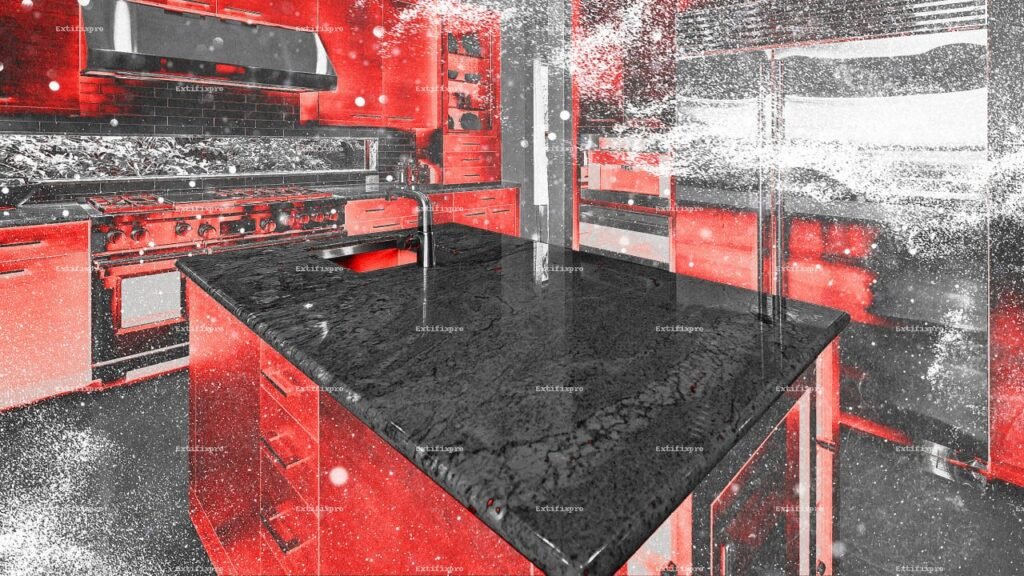
A troubling health development has emerged from Massachusetts, where state health officials recently reported the first documented case of a serious and incurable lung condition attributed to exposure to certain types of kitchen countertops. This alarming diagnosis has raised significant concerns about the safety of materials commonly used in modern kitchens, particularly quartz countertops, which have surged in popularity due to their aesthetic appeal and durability.
The Case of the Affected Individual
The Massachusetts Department of Public Health (DPH) confirmed this case involving a 40-year-old man who has spent the last 14 years working in the stone countertop fabrication industry. His diagnosis of silicosis—a progressive and irreversible lung disease—serves as a stark reminder of the risks associated with working with certain types of stone materials. This particular condition is linked to inhaling crystalline silica dust, which is released during processes like cutting, grinding, and polishing stone surfaces.
Understanding Silicosis
Silicosis is a potentially life-threatening disease that occurs when fine silica particles are inhaled, leading to the scarring of lung tissue. Symptoms typically manifest as a persistent cough, shortness of breath, fatigue, and chest pain. One of the most concerning aspects of silicosis is its long latency period; individuals may not exhibit symptoms for years after their initial exposure to silica dust, often resulting in late diagnoses when the condition has already progressed considerably.
Health Implications of Silicosis
As silicosis progresses, it can lead to severe complications, including lung cancer, respiratory infections such as tuberculosis, and ultimately, death. According to the DPH, most cases of silicosis can be traced back to occupational exposure, making it an alarming concern for workers in various industries, particularly those involved in stone fabrication.
Quartz Countertops and Their Associated Risks
Quartz countertops have gained immense popularity in recent years, largely due to their appealing aesthetics, low maintenance requirements, and versatility. However, health officials emphasize that while natural stone materials like granite contain less than 45% silica, engineered stone products, which include quartz, can have silica concentrations above 90%. This increased silica content significantly elevates the risk of developing silicosis among workers who handle these materials.
The Rise in Quartz Countertops Usage
The escalating demand for quartz countertops has led to a corresponding increase in cases of silicosis among stone fabrication workers. A study conducted in California in 2023 revealed a worrying trend, identifying 52 workers in the quartz countertop industry who were diagnosed with silicosis. Of these cases, 20 individuals exhibited advanced disease symptoms, and tragically, 10 lost their lives as a result of this debilitating condition. Such statistics underscore the urgent need for awareness and preventive measures in the industry.
Regulatory Responses and Safety Measures
Despite the significant health risks associated with silicosis, there has been no outright ban on the use of quartz countertops in the United States. In stark contrast, Australia has taken a more proactive approach by banning all work involving engineered stone due to the severe risks it poses to workers. Other countries are also contemplating stricter regulations to protect individuals from the dangers associated with silica exposure.
Preventive Strategies for Workers
The DPH stresses that silicosis is entirely preventable with the implementation of proper safety measures in the workplace. Employers in the stone countertop fabrication sector are urged to adopt effective strategies to minimize workers’ exposure to silica dust. This includes techniques such as wet cutting, which reduces dust generation, as well as ensuring adequate ventilation in workspaces to disperse harmful particles.
The Importance of Awareness and Education
Public Health Commissioner Robbie Goldstein emphasized the critical nature of awareness regarding silicosis, stating, “Silicosis is a devastating, life-altering disease and one that is also absolutely preventable.” This highlights the importance of education and training for workers to recognize the risks associated with their jobs and to advocate for safer working conditions.
Conclusion
The recent diagnosis of silicosis in a Massachusetts man serves as a wake-up call for both the stone countertop industry and the public at large. With the popularity of quartz surfaces continuing to rise, it is imperative that stakeholders take immediate action to safeguard the health of workers involved in the fabrication and installation of these materials. By prioritizing effective safety measures and fostering a culture of awareness, we can mitigate the risk of silicosis and protect the health of countless workers across the nation.
Looking Ahead
As the situation unfolds, it is crucial to monitor further developments regarding regulations and safety measures in the industry. Stakeholders, including health officials, employers, and workers, must collaborate to ensure that the lessons learned from this case lead to meaningful changes that prioritize health and safety in the stone fabrication industry. As we move forward, it is essential to remain vigilant and proactive in addressing the challenges posed by silicosis and other occupational hazards.