
Introduction
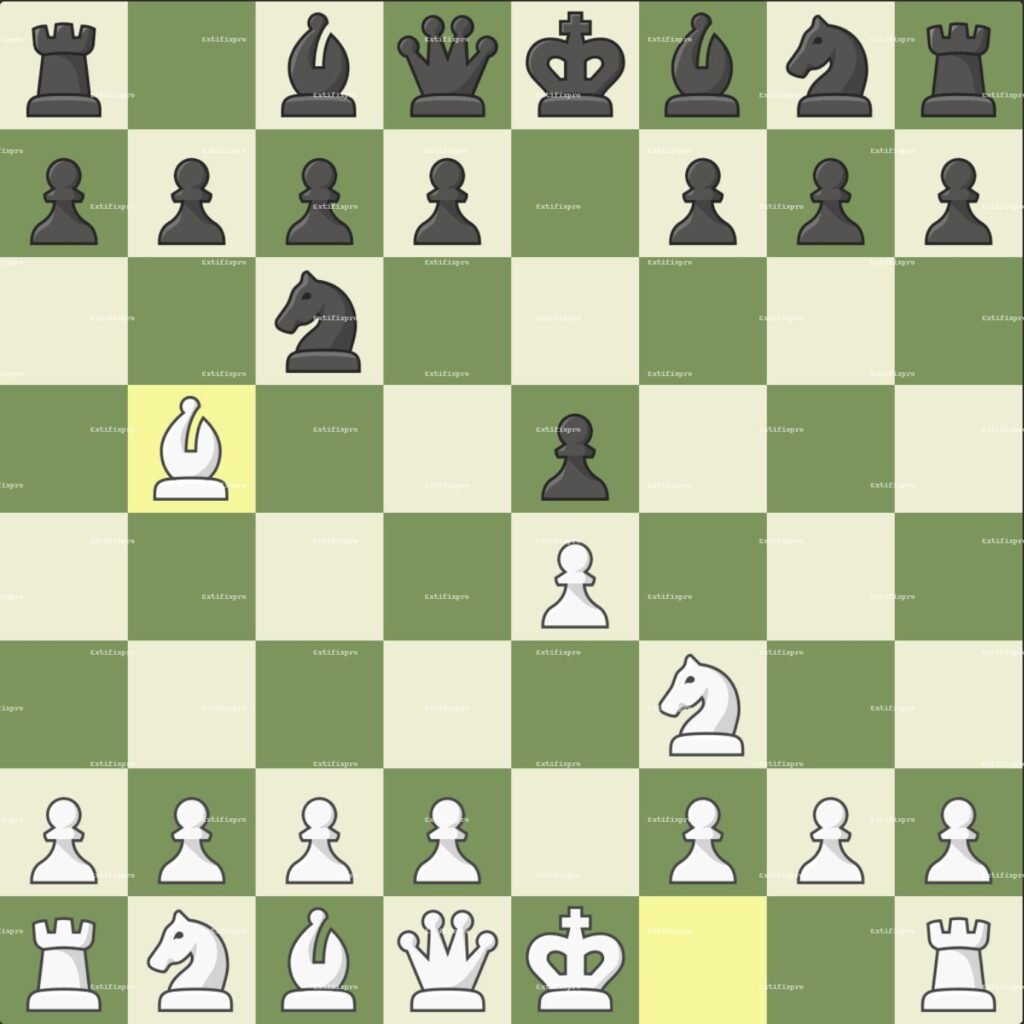
Chess is often referred to as the game of kings, and for good reason. It is a complex battle of wits that requires strategic planning and foresight. Each move in chess can be the difference between victory and defeat. Understanding the significance of strategic chess moves is essential for any player looking to elevate their game. In this article, we will explore the intricate art of planning and execution in chess, delving into advanced tactics, psychological aspects, and the lessons learned from historical matches. By mastering these elements, players can develop their skills and achieve greater success on the chessboard.
Understanding Key Chess Moves
Introduction to Strategic Moves
Strategic moves in chess are the backbone of successful gameplay. They involve not just the immediate action but also the foresight to anticipate the opponent’s responses. Understanding these key chess moves allows players to create a solid foundation for their strategies. A strategic move may involve positioning pieces for future attacks, creating defensive structures, or even feigning weakness to lure an opponent into a trap.
Key Points
- Strategic moves set the tone for the game.
- They enable players to control the board and dictate play.
- Understanding your opponent’s potential responses is crucial.
Importance of Tactical Planning
Tactical planning in chess is essential for executing successful moves. It involves analyzing the position of pieces and devising a plan that maximizes advantages while minimizing risks. Tactical awareness allows players to spot opportunities that may not be immediately obvious, such as combinations that lead to winning material or checkmating threats.
| Tactical Element | Description |
|---|---|
| Fork | A tactic that attacks two pieces simultaneously, forcing the opponent to choose which piece to save. |
| Pin | A tactic that restricts a piece from moving without exposing a more valuable piece behind it. |
| Skewer | A tactic where a valuable piece is attacked, forcing it to move and revealing a less valuable piece behind it. |
| Discovered Attack | Moving one piece reveals an attack by another piece on an opponent’s piece. |
Advanced Tactics in Chess
Utilizing Positional Advantages
Positional advantages are critical in chess. Leveraging them effectively can lead to dominating the board and outmaneuvering opponents. A player who controls key squares, such as the center of the board, can maneuver their pieces with greater flexibility and restrict their opponent’s options. This is particularly important in both the opening and middle phases of the game, where establishing control can dictate the pace of play.
- Control the center of the board for greater mobility.
- Develop pieces efficiently to enhance their effectiveness.
- Maintain pawn structure to secure defensive positions.
- Look for weaknesses in your opponent’s pawn structure that can be exploited later in the game.
- Coordinate your pieces to create threats that can overwhelm your opponent’s defenses.
Sacrifices for Long-Term Gains
Sometimes, sacrificing a piece can lead to significant long-term advantages. Understanding when and how to sacrifice is a key skill for advanced players. A well-timed sacrifice can disrupt an opponent’s strategy, expose weaknesses, or create tactical opportunities that would not otherwise exist. It’s essential to evaluate whether the potential benefits outweigh the immediate loss of material.
| Type of Sacrifice | Benefit |
|---|---|
| Piece Sacrifice | Gains positional advantage or opens lines for attack, potentially leading to checkmate. |
| Pawn Sacrifice | Creates weaknesses in the opponent’s structure or leads to advanced pawns that can promote later. |
| Exchange Sacrifice | Gives up material for an opportunity to seize control over the board or gain tactical advantages. |
Mastering Endgame Techniques
Endgame Strategies for Victory
The endgame is where strategic planning comes to fruition. Mastering the endgame involves optimizing positions and exploiting weaknesses effectively. Players should focus on promoting pawns, coordinating their remaining pieces, and creating passed pawns that can advance toward promotion. Understanding basic endgame principles can dramatically increase a player’s chances of converting an advantage into a win. A well-executed endgame strategy not only secures victories but also reflects a player’s deep understanding of chess fundamentals.
Key Endgame Techniques
- Convert material advantage into a win by simplifying the position when ahead in material.
- Utilize king positioning to protect pawns and control key squares.
- Understand the value of each piece in the endgame scenario and how they interact with one another.
- Learn common endgame patterns such as king and pawn versus king, rook endgames, and minor piece endgames.
- Recognize when to trade pieces versus maintaining them based on your position and goals in the endgame.
The Role of Pawns in Endgame
Pawns play a crucial role in the endgame as they can promote to more powerful pieces. Understanding their movement and potential can turn the tide of a match. Advanced players often employ pawn structures strategically, using their pawns not just as blockers but as active participants in attack and defense. The ability to create connected passed pawns can lead to overwhelming advantages against an unprepared opponent. Players must be vigilant about not only advancing their own pawns but also preventing opponents from doing so effectively.
Thinking Ahead: Anticipating Opponent Moves
Predicting and Countering Opponent Strategies
The ability to predict and counter your opponent’s strategies is vital in chess. This skill can lead to a significant advantage over less experienced players who may focus solely on their own plans without considering their opponent’s options. Analyzing past games helps in identifying your opponent’s tendencies and preferences, allowing you to prepare counter-strategies accordingly. This predictive skill is particularly crucial during critical moments when every move could change the course of the game.
- Analyze past games to identify patterns in your opponent’s playstyle.
- Consider multiple scenarios before making a move, including possible responses from your opponent.
- Develop a flexible strategy that adapts to changing situations on the board, enabling you to pivot as needed based on your opponent’s actions.
- Practice visualization techniques to see several moves ahead, enhancing your overall strategic vision during games.
Creating Multiple Move Scenarios
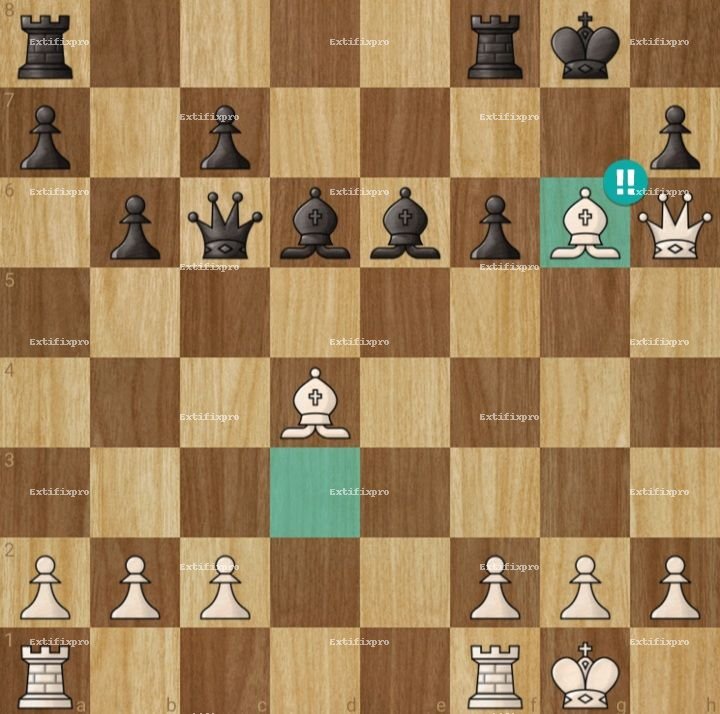
Thinking multiple moves ahead allows players to anticipate potential outcomes and adjust their strategies accordingly. This foresight enables players to create threats that require immediate responses from their opponents, thereby dictating the flow of the game. Strong players often think not just about their next move but about several potential sequences that could unfold based on various responses from their opponents. This capability not only demonstrates tactical awareness but also reflects a deeper understanding of positional play.
Adapting to Dynamic Game Situations
Adjusting Strategies Mid-Game
Chess games are dynamic, and being able to adjust strategies mid-game is essential for success. The ability to recognize when a strategy is failing or when new opportunities arise can make all the difference between winning and losing a match. Players must remain observant and open-minded throughout the game, ready to pivot from one plan to another based on developments on the board. Developing this adaptability requires both practice and experience in recognizing various positions and potential shifts in momentum during gameplay.
Key Adjustment Techniques
- Recognize when a strategy is failing by assessing your position regularly against your opponent’s responses.
- Be willing to abandon plans that are no longer viable for better opportunities that arise during play.
- Continuously evaluate the board position for new tactics or weaknesses in your opponent’s setup that can be exploited.
- Stay alert for potential blunders from your opponent that you can capitalize on quickly.
Dealing with Unexpected Challenges
Unexpected challenges can arise in any chess match. Learning how to turn these challenges into opportunities is a hallmark of a skilled player. Maintaining composure under pressure allows players to think creatively and find solutions even in difficult positions. The ability to adapt quickly can be the difference between salvaging a draw from a losing position or finding a way back into a winning stance. This skill is particularly beneficial when facing opponents who thrive on psychological pressure, as it allows one to remain focused despite external stresses.
The Psychology of Chess Moves
Mind Games and Psychological Tactics
Chess is not just a physical game; it is a mental battle. Understanding the psychological aspects can enhance your gameplay significantly. Players often engage in mind games, attempting to read each other’s intentions while projecting confidence or uncertainty through their moves. Recognizing psychological patterns can provide insights into your opponent’s state of mind and lead to strategic advantages. For instance, if you notice an opponent hesitating before making certain moves, it could indicate uncertainty or fear about specific positions on the board.
Maintaining Focus and Composure
High-pressure situations require players to maintain focus and composure. Developing mental resilience through practice can improve performance during critical moments in a match. Techniques such as mindfulness meditation, visualization exercises, and regular practice under timed conditions can help players build mental fortitude. Additionally, learning how to manage anxiety before important matches can contribute significantly to overall performance. Strategies such as deep-breathing exercises or developing pre-match routines can be effective in keeping nerves at bay.
Learning from Historical Chess Matches
Analyzing Classic Game Moves
Studying classic games can provide valuable insights into successful strategies and tactics used by legendary players. Many grandmasters have left behind rich legacies through their games, which serve as excellent teaching tools for aspiring chess enthusiasts. Analyzing these games involves not only looking at the moves played but also understanding the underlying principles that guided those moves. Recognizing pivotal moments where players made decisive sacrifices or strategic shifts can offer lessons on adapting one’s approach based on evolving board dynamics.
- Identify key decisions that led to victory or failure within famous games, focusing on critical turning points in matches.
- Understand the rationale behind specific moves made by top players and how they adapted their strategies throughout the game.
- Learn from mistakes made in historical matches by recognizing miscalculations or overlooked tactics that could have changed outcomes.
- Explore different styles of play exhibited by various champions and how they approached different types of opponents.
Drawing Lessons from Legendary Players
By examining the careers of legendary chess players such as Bobby Fischer, Anatoly Karpov, Garry Kasparov, and Magnus Carlsen, aspiring chess enthusiasts can adopt effective strategies and improve their own gameplay. Each player has unique strengths and strategies that can inspire others. Observing how they handle different positions provides practical lessons applicable across various levels of play. For example, Fischer’s aggressive opening strategies contrast sharply with Karpov’s more positional approach, illustrating that there are multiple pathways to success in chess depending on one’s personal style.
Key Takeaways
- Mastering strategic chess moves requires both planning and execution: Players must be able to formulate plans while remaining adaptable during gameplay.
- Understanding the psychology of chess: This knowledge can provide a competitive edge by allowing players to manipulate dynamics on the board effectively.
- The importance of continuous learning: Regular study of tactics, historical games, and self-analysis will help players grow consistently over time.
- Mental resilience: Developing strong mental habits will enhance performance under pressure and during critical moments within matches.
- The significance of adaptability: Being able to adjust strategies mid-game based on new information will empower players in unpredictable situations.
FAQs
What is the most important chess move for beginners?
The most important chess move for beginners is controlling the center of the board, which allows for greater mobility and strategic positioning. For more details on basic strategies, you may refer to Chess.com lessons.
How can I improve my chess tactics?
Improving chess tactics involves practicing regularly, analyzing games, and studying tactical patterns. Online platforms such as Lichess, Chess.com, or books on tactics are excellent resources for practice.
What are common mistakes in chess?
Common mistakes in chess include neglecting pawn structure, failing to develop pieces efficiently during the opening phase, overlooking threats from opponents, and being too rigid with strategies without adapting when necessary. Learning from these mistakes through self-analysis or coaching can greatly enhance your gameplay.
How important is the endgame in chess?
The endgame is crucial in chess as it determines the final outcome of many matches. Mastering endgame techniques can turn seemingly lost positions into victories by optimizing remaining resources effectively and understanding how best to convert material advantages into winning scenarios.
Can chess improve cognitive skills?
Yes, numerous studies have shown that playing chess can significantly improve cognitive skills such as problem-solving abilities, critical thinking, concentration, and even creativity. Engaging regularly with chess helps stimulate various parts of the brain associated with these skills.
How do I stay calm during a chess match?
Staying calm during a chess match can be achieved through practice and mindfulness techniques. Focus on your breathing, stay aware of your thoughts without letting anxiety take over, and maintain a positive mindset throughout the game. Additionally, playing regularly under various conditions will help build confidence over time.
What resources are best for learning chess strategies?
The best resources for learning chess strategies include books like “My Great Predecessors” by Garry Kasparov or “The Art of Chess” by James Eade. Online platforms like Chess.com, Chess24, and video lectures from grandmasters are also excellent ways to expand one’s understanding of chess strategies effectively.
This comprehensive exploration into strategic chess moves underscores not only technical proficiency but also psychological acumen necessary for success at all levels of play. By integrating these concepts into regular practice sessions and competitive play, aspiring players will inevitably find themselves improving significantly over time.
The road to mastery in chess is not merely about memorizing openings or calculating combinations; it requires understanding patterns, adapting strategies dynamically during games, analyzing past performances critically, and cultivating mental resilience against both opponents and one’s inner doubts. As you delve deeper into these elements of chess strategy and psychology, you’ll find not only improvement in your gameplay but also enjoyment in this timeless battle of minds.
If you’re looking for further insights into specific strategies or advanced techniques after this overview, consider joining local chess clubs or online communities where you can engage with fellow enthusiasts who share your passion for this intellectually stimulating game. Whether through friendly matches or competitive tournaments, every game provides an opportunity for learning—embrace it!